Maricel
SKINCARE

Common Skin Problems That You Should Know And Ways On How To Treat It
A blog about the different kinds of skin problems including their causes and symptoms and how to deal with them.

Most people see their skin as an aesthetic asset, but for those with skin problems, it can become a source of embarrassment. While many skin disorders are treatable and reversible, there are other conditions that are not so easy to treat.
We all know that the skin is a very sensitive body organ. It's the first line of defense against invaders like bacteria and viruses. That's why it's important to keep your skin healthy and beautiful by taking precautions against disease and damage. This blog will describe the different types of skin problems and their causes and treatments.

- Dry Skin
Dry skin occurs when your skin loses too much water and oil. Dry skin is common and can affect anyone at any age. The medical term for dry skin is xerosis.
Causes:
Dry skin is due to water loss from the outer layer of skin. It might be caused by:
- Heat. Central heating, wood-burning stoves, space heaters and fireplaces all reduce humidity. Living in cold, windy conditions or low-humidity climates
- Too much bathing or scrubbing. Taking long, hot showers or baths or scrubbing your skin too much can dry your skin. Bathing more than once a day can remove the natural oils from your skin too.
- Harsh soaps and detergents. Many popular soaps, detergents, and shampoos strip moisture from your skin because they are formulated to remove oil.
- Other skin conditions. People with skin conditions such as atopic dermatitis (eczema) or psoriasis are more likely to have dry skin.
- Medical treatments. Some people develop dry, thick skin after undergoing treatment for cancer, receiving dialysis, or taking certain medications. As people age, the skin thins and produces less of the oils needed for the skin to retain water.
Symptoms:
Signs and symptoms of dry skin might vary based on your age, health status, skin tone, living environment, and sun exposure. They include:
- A feeling of skin tightness
- Skin that feels and looks rough
- itchiness (pruritus)
- Slight to severe flaking skin, which causes the ashy look that can affect dry brown and black skin
- Slight to severe scaling or peeling
- Fine lines or cracks
- Skin that ranges from reddish on white skin to grayish on brown and black skin
- Deep cracks that may bleed
2. Oily Skin
Oily skin happens when the sebaceous glands in the skin make too much sebum. Sebum is the waxy, oily substance that protects and hydrates the skin. Sebum is vital for keeping the skin healthy. However, too much sebum can lead to oily skin, clogged pores, and acne.
Causes:
- Oily skin tends to run in families. If one of your parents has oily skin, you’re likely to have overactive sebaceous glands, too.
- Age. While you don’t necessarily grow out of oily skin, your skin will indeed produce less sebum as you age. Aging skin loses protein, such as collagen, and the sebaceous glands slow down.
- Where you live and the time of year. People tend to have oilier skin in hot, humid climates. You’re also more likely to have more oil on your skin during the summer than you would in the fall or winter.
- Enlarged pores. Sometimes your pores can stretch out due to age, weight fluctuations, and previous breakouts. Larger pores also tend to produce more oil.
- Using the wrong skin care products. Oily skin can also be brought on by using the wrong skin care products for your skin type. For example, some people mistake combination skin for oily skin, and they might use too heavy creams.
- Overdoing your skin care routine. On the flip side, washing your face or exfoliating too often can also make your skin oily. This can seem like an oxymoron, since the purpose of washing and exfoliating is to get rid of oil.
- Skipping your moisturizer. It’s a myth that moisturizer causes oily skin. In fact, if you’re using acne treatments such as salicylic acid or benzoyl peroxide, you definitely need a good moisturizer to keep your skin from drying out. Without moisturizer, any skin type will dry out.
Symptoms:
Oily skin frequently affects the face. Symptoms of oily skin include:
- A shiny or greasy appearance
- Very large or obvious pores on the skin
- Skin that looks thick or rough
- Occasional or persistent pimples
- Clogged pores and blackheads
Melasma is a skin condition that causes patches and spots, usually on the face, that are darker than your natural skin tone. It’s also called "chloasma", or the "mask of pregnancy," when it occurs in pregnant women. The condition is much more common in women than in men, though men can get it too.
3. Melasma
Causes:
- Antiseizure medications: Drugs that prevent you from having seizures may be a cause of melasma.
- Contraceptive therapy (birth control): Melasma has been observed in individuals who use oral contraceptive pills that contain estrogen and progesterone.
- Estrogen/Diethylstilbestrol: Diethylstilbestrol is a synthetic (man-made) form of the hormone estrogen. It’s often used in treatments for prostate cancer. Again, there’s a pattern between increased estrogen and melasma.
- Genetics: About 33% to 50% of people with melasma have reported that someone else in their family has it. The majority of identical twins have melasma.
- Hypothyroidism: A condition where your thyroid is underactive.
- LED Screens: Melasma may be caused by the LED lights from your television, laptop, cell phone, and tablet.
- Pregnancy: It is unclear why "the mask of pregnancy" happens to pregnant women. However, experts theorize that the increased levels of estrogen, progesterone, and the melanocyte-stimulating hormones during the third trimester of pregnancy play a role.
- Hormones: Hormones like estrogen and progesterone may play a role in some people. Postmenopausal women are sometimes given progesterone, and have been observed developing melasma. If you aren’t pregnant, you likely have elevated levels of estrogen receptors found in your melasma lesions.
- Makeup (cosmetics): Some cosmetics can cause what’s called a phototoxic reaction.
- Phototoxic drugs (medicines that make you sensitive to sunlight): These include some antibiotics, nonsteroidal anti-inflammatory drugs (NSAIDs), diuretics, retinoids, hypoglycaemics, antipsychotics, targeted therapies, and some other drugs.
- Skin care products: A product that irritates your skin in general will likely make your melasma worse.
- Soaps: Some scented soaps are thought to cause or worsen melasma.
- Tanning beds: The UV light produced by tanning beds damages your skin just as badly as the UV light from the sun, and sometimes worse
Symptoms:
Melasma causes patches of discoloration. The patches are darker than your usual skin color. It typically occurs on the face and is symmetrical, with matching marks on both sides of the face. Other areas of your body that are often exposed to the sun can also develop melasma.
Brownish-colored patches usually appear on the
- Cheeks
- Forehead
- Bridge of the nose
- Chin
It can also occur on the neck and forearms. The skin discoloration doesn’t do any physical harm, but you may feel self-conscious about the way it looks.
4. Acne
Acne is a common skin condition that happens when hair follicles under the skin become clogged. Sebum—oil that helps keep skin from drying out—and dead skin cells plug the pores, which leads to outbreaks of lesions, commonly called pimples or zits.
Causes:
- Excess oil (sebum) production
- Hair follicles are clogged by oil and dead skin cells
- Bacteria
- Inflammation
- Hormonal changes.
- Certain medications.
Symptoms:
Acne signs vary depending on the severity of your condition:
- Whiteheads (closed plugged pores)
- Blackheads (open plugged pores)
- Small red, tender bumps (papules)
- Pimples (pustules), which are papules with pus at their tips,
- Large, solid, painful lumps under the skin (nodules)
- Painful, pus-filled lumps under the skin (cystic lesions)
5. Dark Spots
Dark spots on the skin are not a cause for concern and do not need treatment, though people may choose to remove them for cosmetic reasons. Depending on the cause, some types of dark spots on the skin may be called age spots or sunspots.
Causes:
- Sun damage
- Hormonal changes
- Medication side effects
- Inflammation
- Wound healing
- Irritation
- Diabetes
Symptoms:
Dark spots on the skin can range from light brown to dark brown. The color of dark spots may depend on the tone of a person’s skin. The spots are the same texture as the skin and are not painful.
Dark spots also vary in size and can develop on any part of the body, but are most common in areas often exposed to the sun.
6. Wrinkles
Wrinkles are the most noticeable on parts of the skin that are usually exposed to the sun, including the face, neck, forehead, and hands especially for people with fair skin.
Causes:
- Age. Your skin naturally loses elasticity and becomes more fragile as you age. Reduction of natural oil production dries out your skin and makes it look wrinkled. Fat in your skin's deeper layers decreases. This results in saggy skin and more pronounced lines and crevices.
- Exposure to Ultra Violet (UV) light. considered the primary cause of early wrinkling due to ultra violet (UV) light exposure such as sun light, which can accelerate the natural aging process. UV rays can degrade your skin’s connective tissue — collagen and elastin fibers in the dermis, or deeper layer of the skin. Your skin loses strength and flexibility without the supportive connective tissue. As a result, skin begins to sag and wrinkle.
- Smoking. Smoking can speed up the aging process of your skin. This may be due to the effect of smoking on collagen.
- Repeated Facial Expression. Each time you use a facial muscle, a groove develops just below the skin's surface. In addition, as we become older, our skin becomes less elastic and less able to bounce back. Your face, therefore, bears a lasting imprint of these grooves.
Symptoms:
Wrinkles are formed in lines and creases on the surface of the skin. Some wrinkles can deepen into crevices and furrows, which are particularly noticeable around the eyes, mouth, and neck.
7. Sunburns
Sunburn is inflamed, painful skin that feels hot to the touch. It often appears within a few hours of being in the sun too long.
You can get sunburn relief with simple self-care measures such as taking pain relievers and cooling the skin. But it may take days for the sunburn to fade.
Causes:
Sunburn is caused by too much exposure to ultraviolet (UV) light. UV light may be from the sun or artificial sources such as sunlamps and tanning beds. UVA is the wavelength of light that can penetrate into the deep layers of skin and lead to skin damage over time. UVB is the wavelength of light that penetrates the skin more superficially and causes sunburn.
Symptoms:
- Inflamed skin, which looks pink or red on white skin and may be harder to see on brown or black skin.
- Skin that feels warm or hot to the touch.
- Pain, tenderness, and itching
- Swelling
- Small, fluid-filled blisters, which may break Headache, fever, nausea, and fatigue if the sunburn is severe.
- Eyes that feel painful or gritty
Skin infection occurs when germs invade the skin and, occasionally, the deep tissue underneath the surface of the skin.
Types of Skin Infection:
- Bacterial skin infections - frequently begin as small, red bumps that gradually grow in size. This happens when bacteria infiltrate the body through a skin break, like a scratch or cut. Other kinds of bacterial skin infection include cellulitis, impetigo, boils, and Hansen’s Disease (also called leprosy).
- Fungal skin infections: These skin infections are caused by fungi and most likely to develop in parts of the body that usually sweat, such as the feet or the armpits, due to the warm, moist environment. A few fungal infections are not contagious, and they are usually not life-threatening. Other kinds of fungal skin infections include: athlete’s foot, yeast infection, ringworm, nail fungus, ringworm, oral thrush, and diaper rash.
8. Skin Infections

How Can I Prevent Skin Disease?
Skin disease prevention comes down to practicing good habits. Here are some skin protection tips to prevent skin diseases.
- Stay Hydrated. According to the Dermatology Center of Washington Township, skin that is well-hydrated is also less sensitive to irritants and germs that can slip through the lipid barrier when the skin lacks moisture. That's why we need to keep hydrated all the time. By drinking plenty of water, we can maintain the moisture in our skin that it needs. Using a moisturizer can also help, as it keeps the skin hydrated and refreshed. Some other ways to keep skin hydrated is by eating foods rich in essential fatty acids such as leafy vegetables, nuts, spinach and, flaxseed.
- Limit sun exposure. Sun exposure can cause your skin to develop more wrinkles, dryness, sagging, and a dull look. Overexposure to skin cancer may also lead to skin cancer. Using products with ultraviolet protection can keep us looking fresh. Sunscreen benefits us by protecting our skin from the sun.
- Know your skin. Knowing your skin type first will lead us to a healthy, glowing skin. It provides a basis when it comes to what type of skincare we should use. There is a high chance that if you don't know what your skin type is, the products that you use will cause more harm to your skin. So it's important to determine what skin type you are.
- Take health precautions. There's a low chance that your skin can be exposed to germs if we pay attention to what it touches. Don't share any personal items with others, such as soap, clothing, creams, etc. Avoid touching your face with your hands and other objects that have been used by other people. Keep it as clean as possible.
Maricel
SKINCARE

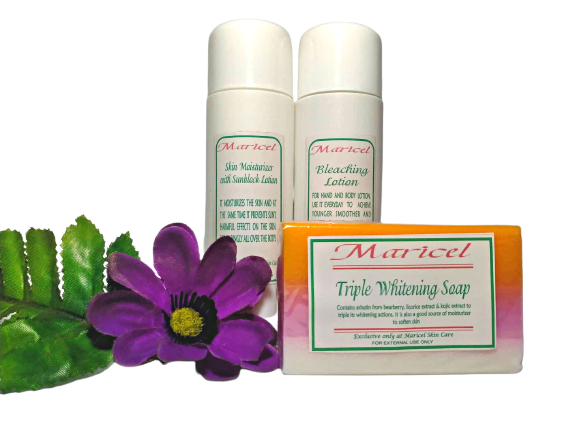

Dry Skin
Triple Whitening Soap Contains arbutin from bearberry, licorice extract & kojic extract to triple its whitening actions. It is also good source of moisturizer to soften skin
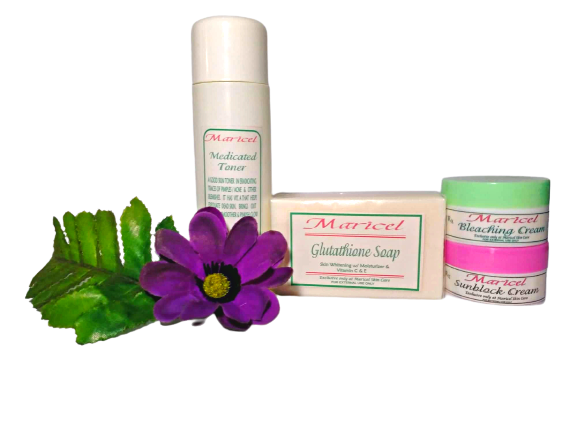
oily Skin
Glutathione Soap
Skin Whitening w/ Moisturizer & Vitamin C & E
Bleaching Cream
-applied for night
Sunblock Cream
-Applied for Morning Protection
Medicated Toner
Maintenance Cleanser
brings out younger smoother & pinkish glow.
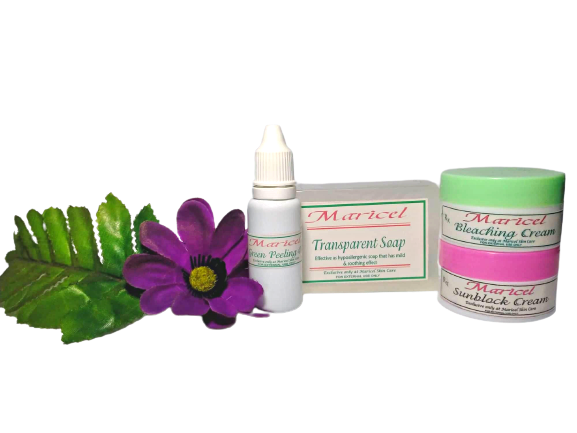
Melasma
Transparent Soap
Effective as hypoallergenic soap that has mild & soothing effect.
Bleaching Cream
applied for night
Sunblock Cream
Applied for Morning Protection
Green Peeling Oil
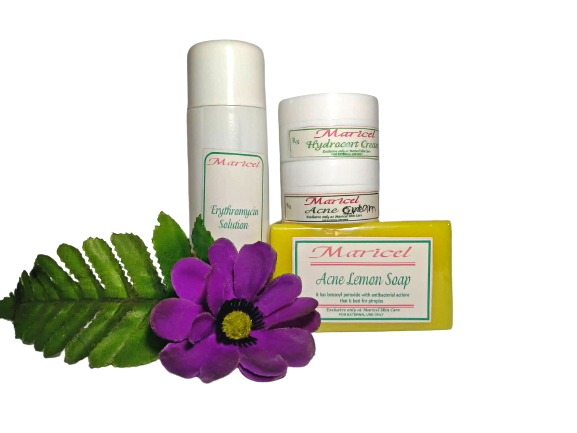
Acne
Acne Lemon Soap
It has benzoyl peroxide with antibacterial actions that is best for pimples.
Acne Cream
Dry up Acne.
Erythtromicin
Cleanser.
darkspot
Bleaching Black Soap
For Skin ligtening and gently peels to eliminate skin Pigmenation.
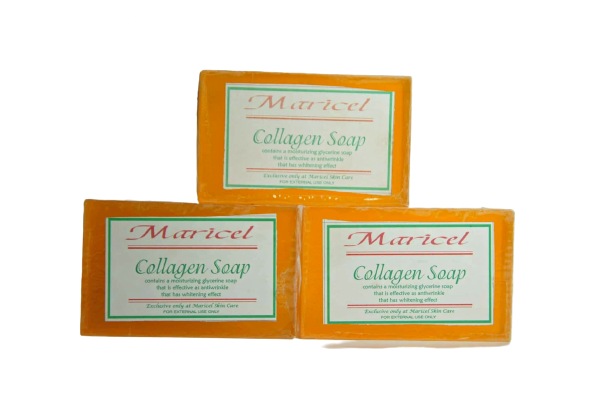
Wringkles
Collagen Soap
contains a moisturizing glycerine soap that offers whitening and anti-wrinkle benefits.
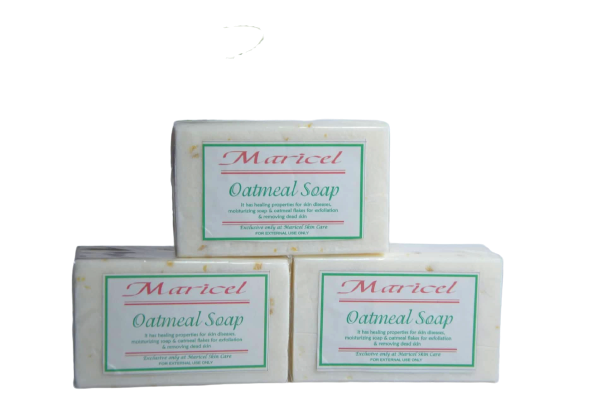
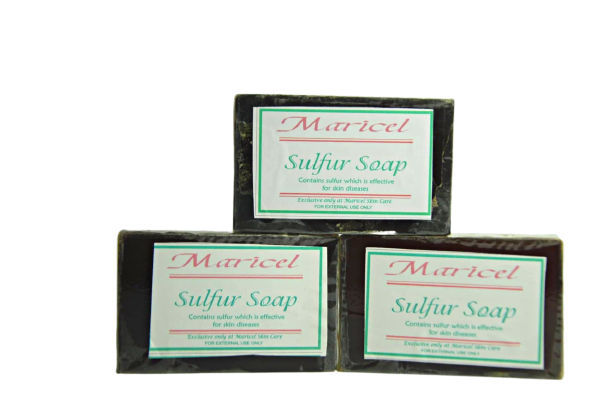
skin infections
Sulfur Soap
Lessen the Scars and make wound or rashes dry up.
Oatmeal Soap
healing Properties fo Skin Diseases.Remoing Deadskin and Exfoliate Skin.
For more inquiries of our product and discounts, etc. kindly visit as on our offial face book page Maricel SinCare and our physical store in
San Juan Balagtas In Front of PNB
Pandayan Sta Maria Buacan
Aliw Complex Meycauayan
call us at 09158181241
SKINCARE
Maricel
Authors
ALONZO, JHAYCEL DELA PAZ
BERNARDO, BARON FRANCIS RAÑADA
PALPARAN, FRANCIS LEVISTE
LEBRILLA, RHEA
EUGENIO, DAISY ROSE

3AMM
Maricel
SKINCARE
References:
Cleveland Clinic. (2021, May 3). Suffering from a skin infection? Centers for Disease Control and Prevention. Retrieved October 22, 2022, from https://www.cdc.gov/antibiotic-use/skin-infections.html
Dr. Winter. (2016). The Importance Of Keeping Your Skin Hydrated. Dermatology Center of Washington Township. Retrieved from https://www.dermwt.com/the-importance-of-keeping-your-skin-hydrated/
Fletcher, J. (2022). What is melasma?. Retrieved from https://www.medicalnewstoday.com/articles/323715#symptoms
National Institute of Arthritis and Musculoskeletal and Skin Diseases. (2022, April 1). Acne. Retrieved October 22, 2022, from https://www.niams.nih.gov/health-topics/acne
Mayo Clinic. (2022, October 8). Acne - Symptoms and causes. Retrieved October 22, 2022, from https://www.mayoclinic.org/diseases-conditions/acne/symptoms-causes/syc-20368047
Mayo Clinic Staff. (2022). Dry skin. Retrieved from https://www.mayoclinic.org/diseases-conditions/dry-skin/symptoms-causes/syc-20353885
Mayo Clinic. (2022b, October 8). Sunburn - Symptoms and causes. Retrieved October 22, 2022, from https://www.mayoclinic.org/diseases-conditions/sunburn/symptoms-causes/syc-20355922
Mayo Clinic. (2021, October 9). Wrinkles - Symptoms and causes. Mayo Clinic. Retrieved October 22, 2022, from https://www.mayoclinic.org/diseases-conditions/wrinkles/symptoms-causes/syc-20354927
skinandme.com (2022). Oily Skin 101: Causes, Symptoms and Treatment. Retrieved from https://www.skinandme.com/the-dose/oily-skin-101-oily-skin-causes-symptoms-and-treatment/
Pietro, M. C. de. (2019, March 29). Dark spots on the skin: Causes and how to treat them. Retrieved October 22, 2022, from https://www.medicalnewstoday.com/articles/324833
Watson, K. (2022, March 21). Cellulitis: Everything You Need to Know. Healthline. Retrieved October 22, 2022, from https://www.healthline.com/health/cellulitis